CanSat
Design Challenge
Design and build a "CanSat" — a miniature satellite the size of a soda can — and launch it skyward.
Open to Canadian students (Grades 6–12). Teams of up to 6 students.
Free CanSat kit provided. No experience necessary!
A new challenge begins September, 2026. Scroll down for more information!
What is a CanSat?
A CanSat is a simplified satellite integrated within the volume and shape of a soft drink can, weighing between 300 and 350g. It contains a small computer, a battery, and one or more sensors — everything needed to conduct a science experiment during a high-altitude deployment.
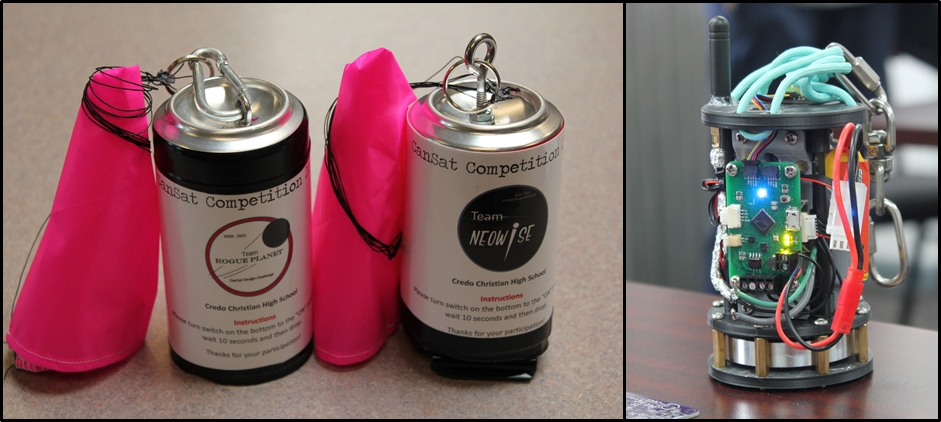
Two Categories for All Levels
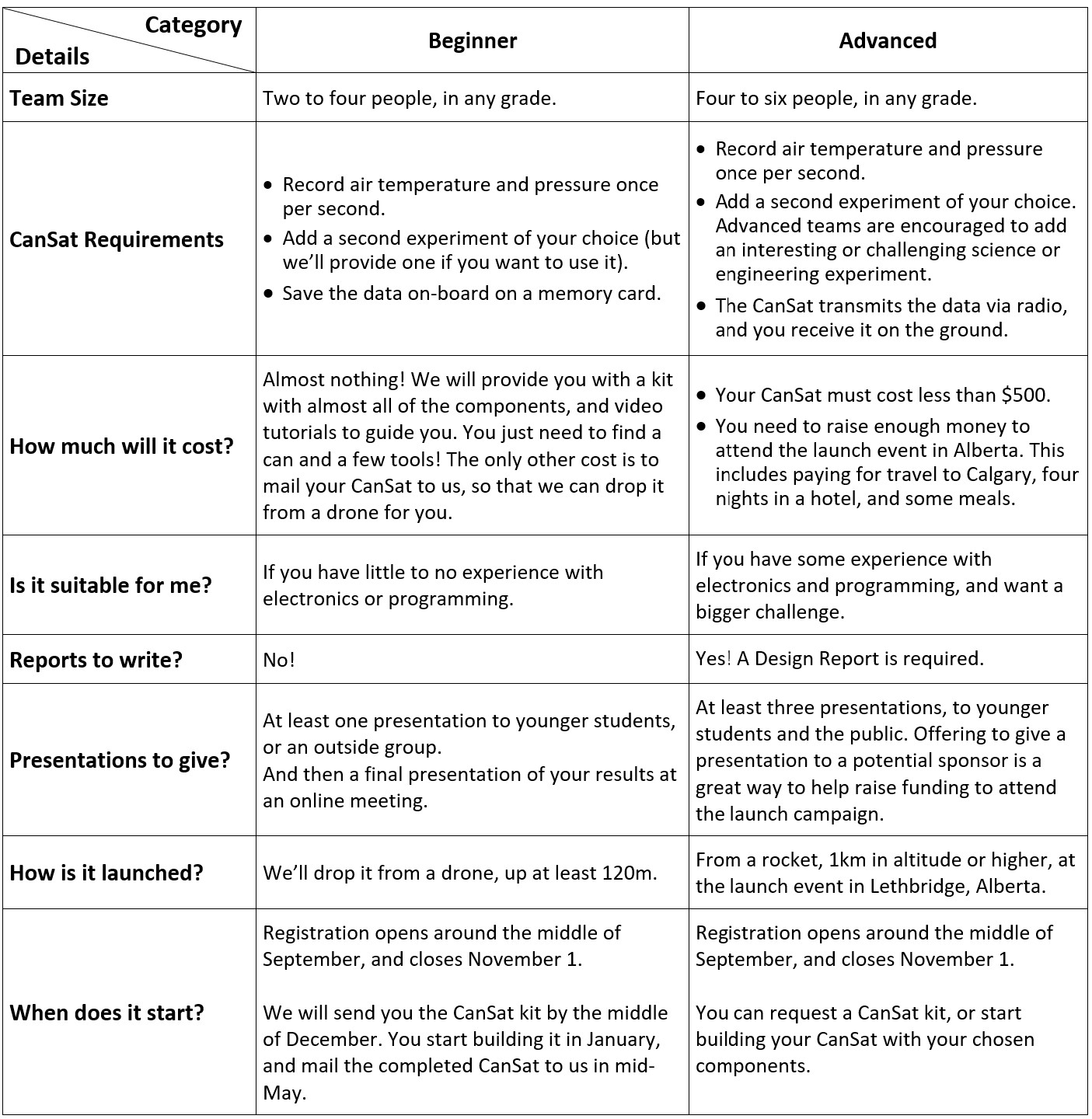
The CanSat Design Challenge has two categories: Beginner and Advanced, to provide a challenge which is comensurate with your ability and experience.
Which category is right for you? Have a look at the table below to see the difference between them.
The challenge begins in September 2026 and runs through the school year to launch campaigns in Spring 2027.
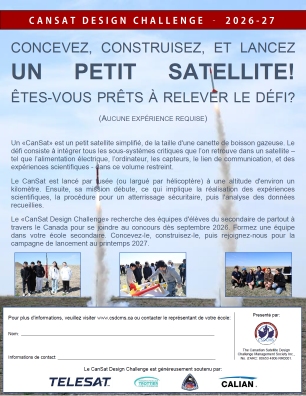
Download our brochure for more information!
Download the posters to help recruit team members!
|
|
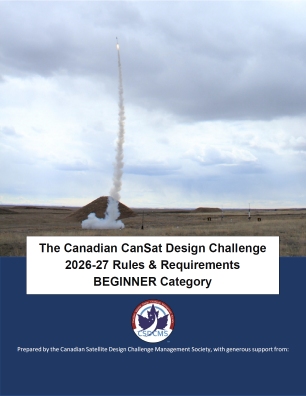
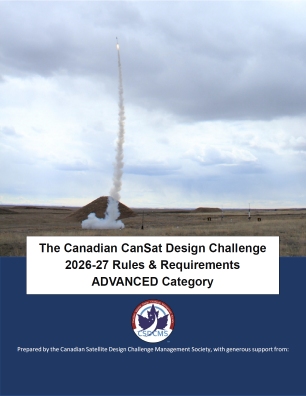
Download the rules and requirements for Beginner or Advanced categories.
Note: there may be some minor changes to be added.
|
|
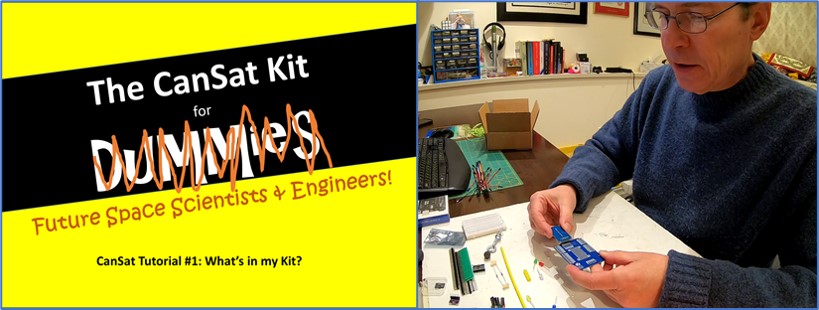
Need help? Check out our Tutorial Videos which will guide you step-by-step to building your CanSat!
Register Your Team (September)
Form a team of up to 6 students. Your free CanSat kit will be mailed to you.
Design Your Mission (Fall)
Choose your secondary experiment. Design your CanSat layout. Follow tutorials to build and program your hardware.
Build & Test (Winter)
Solder components, write code, and conduct ground testing. Prepare your required documentation and outreach presentation.
Launch Campaign (Spring)
Beginner teams participate in a drone drop. Advanced teams travel to Lethbridge for rocket launch. Collect real data!
Data Analysis & Awards
Analyze your flight data. Top teams present results. Advanced winners earn an invitation to the ESA international event.